ACM30821
Certificate III in Horse Care




Kickstart Your Career with Horsepower
QUICK COURSE DETAILS
Blended or Distance Learning.
You will have an online with printed learner’s guides component, and a practical component with horses.
24 months
Extensions available.
New students start on the first Monday of every month.
Enrolments close on the 15th of the month prior.
Decide later if it’s right for you.
If you already have some hands-on experience with horses and want to move beyond entry-level tasks, this course provides the progression you need. It is well suited to those seeking skilled employment in the equine industry, as well as students who have completed Certificate II and wish to further develop their competence, confidence, and responsibility when working with horses.
The ACM30821 Certificate III in Horse Care prepares you for skilled roles within the horse industry and supports progression into further study, including advanced equine qualifications, specialist equestrian pathways, or equine veterinary nursing. At this level, you will be expected to apply judgement, work with greater autonomy, and contribute to horse care and management practices within a workplace.
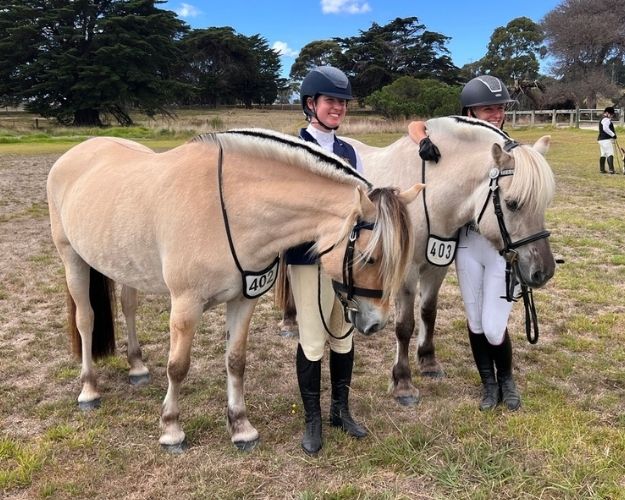
Practical Experience Requirement: As part of your Certificate III in Horse Care, you will need regular access to suitable horses and an appropriate equine workplace where you can safely demonstrate more advanced skills. You may use your own horses (with supervision from an Approved Equine Coach), complete your practical components at a riding school or equestrian facility, or gain experience with our fjord horses at our Victorian farm. Training locations can be combined to suit your circumstances. If you use a riding school or private coach, standard lesson or coaching fees may apply.
Students enrolled in the ACM30821 Certificate III in Horse Care receive high-quality training, assessment, and support from ACAC’s experienced team, through a collaborative partnership with Halo Nation Training Pty Ltd (RTO 32485).


Apply. Decide.
Start when you’re ready.
Apply for free and take the first step. We review your application, confirm your place, and you decide when you are ready to enrol.
No payment or commitment until you say yes.
Decide later if it’s right for you.
Nationally Recognised Training
The ACM20121 Certificate II in Animal Care is a nationally recognised qualification delivered by ACAC on behalf of Halo Nation Training Pty Ltd (RTO 32485), the Principal RTO. This course is offered under a formal third-party agreement between ACAC and HaloNT. For more information refer to the FAQ.

What Will I Study in the
ACM30821 Certificate III in Horse Care?

This subject provides the essential skills and knowledge required to confidently and safely handle calm, well-educated horses in a range of equine environments. You’ll learn how to safely identify, catch, control, and release horses, with a strong focus on minimising risks and supporting the welfare of both horses and handlers.
Beyond practical handling, the subject also explores the fundamentals of horse behaviour—how horses perceive the world, communicate, and respond to their environment. You’ll gain an understanding of how horses learn, including the principles of pressure and release training, positive reinforcement and effective training methods, helping you to work with horses in a way that is safe, humane, and productive.
By combining safe handling techniques with a deeper awareness of equine behaviour and learning, this subject prepares you to interact with horses responsibly and confidently, whether you’re starting out or looking to build on your existing experience.
This subject is a gateway subject, that is you must complete and pass it before you can undertake any of the other horse handling or riding units.
This subject requires a practical assessment to occur with three different horses being caught, led, handled, hoof cleaned and returned to the paddock.

This subject equips you with the practical skills and knowledge to follow workplace health and safety (WHS) policies and procedures in any setting where horses are present. You’ll learn how to recognise potential hazards, apply safety practices, and follow protocols that protect yourself, your team, and the horses in your care.
Whether you’re working in stables, paddocks, yards, arenas, racetracks, or public areas, you’ll gain confidence in reducing health and safety risks as part of your everyday routine. The subject covers how to follow documented procedures, respond to incidents, use personal protective equipment, and support a culture of safety in the equine industry.
This subject requires a practical assessment of a simulated evacuation of a horse. Other practical requirements are packaged in with other subjects.

Safe Horse Transport equips you with the essential skills and knowledge needed to safely load and unload horses from transport vehicles. This subject focuses on practical techniques and safety precautions that protect both the handler and the horse throughout the transport process.
You’ll learn how to prepare horses for travel, use appropriate equipment, and follow step-by-step procedures for loading and unloading in a range of environments—including stables, paddocks, event venues, and public areas. Emphasis is placed on understanding horse behaviour during transport, recognising signs of stress, and applying calm, confident handling.
This subject requires a practical assessment to occur with three different horses being loaded and unloaded onto a float or truck.

Equine Biosecurity & Infection Control equips you with the essential skills and knowledge to protect the health of horses and the wider community by preventing the spread of infectious diseases. In this subject, you’ll learn how to apply effective biosecurity and infection control procedures across different equine settings.
You’ll explore the principles of disease prevention, practical steps to minimise disease transmission, and how to respond to potential outbreaks. This subject also covers how to recognise and report signs of illness, maintain hygiene standards, and use personal protective equipment appropriately.
This subject requires a practical assessment to occur with three different educated calm horses, and a range of biosecurity and infection control tasks.

Grooming Horses covers the specialist skills and knowledge needed to get horses ready for competitions, shows, and commercial sales. In this subject, you’ll learn how to wash, groom, and trim horses’ coats to meet presentation standards, as well as how to clean and correctly fit gear for a professional and compliant appearance.
You’ll explore techniques for making horses look their best while maintaining their comfort and welfare, and you’ll practise preparing horses in a variety of environments, including wash bays, grooming areas, yards, and event venues. The subject also teaches you how to interpret different presentation requirements, use your judgement to meet high standards, and care for valuable animals with attention to detail.
This subject requires a practical assessment to occur where you prepare one horse for two separate events, OR two horses for the one event. For one horses this must include mane and tail trimming.

Equine First Aid provides you with the essential skills and knowledge to respond effectively to health emergencies and routine health concerns in horses. In this subject, you’ll learn how to accurately measure and record vital signs, recognise and report signs of common illnesses and injuries, and provide immediate care in emergencies.
You’ll gain practical experience following first aid policies and procedures specific to horses, ensuring you can act quickly and confidently when a horse needs help. The subject also covers when and how to escalate care to veterinary professionals, the importance of clear communication, and maintaining accurate records.
This subject requires a practical assessment to occur with three different educated calm horses, and a range of biosecurity and infection control tasks.

Personal Health & Fitness for Equine Work focuses on the skills and knowledge you need to maintain your own wellbeing while working with horses. This subject covers the basics of health and nutrition, the importance of staying physically fit for hands-on equine roles, and practical strategies for managing stress and workplace fatigue.
You’ll learn how to assess your own fitness and nutrition needs, adopt safe work practices, and develop routines that support your energy and effectiveness on the job. The subject also explores ways to prevent injury and burnout, helping you build habits that contribute to a long and successful career in the horse industry.

Equine Health Support focuses on the essential skills and knowledge needed to monitor horse health and assist with basic treatments. In this subject, you’ll learn how to carry out routine health checks, recognise signs of illness or injury, and report concerns promptly. You’ll also gain experience providing simple treatments under direction, as well as supporting others—such as supervisors or veterinary professionals—when more advanced care is required.
You’ll practise these tasks in a supervised setting, building your confidence and competence in everyday horse health care. This subject also introduces you to common horse health issues, basic first aid, and the importance of observation and communication in maintaining the wellbeing of horses.
This subject requires a practical assessment involving two different horses and undertaking set health treatments.

Basic Hoof Care introduces you to the essential skills and knowledge required to maintain healthy horse hooves as part of routine care. In this subject, you’ll learn how to safely check horse hooves and shoes, identify common issues affecting hoof health and function, and apply simple treatments when needed.
You’ll gain practical experience in removing loose or damaged horse shoes and recognising situations that require professional attention from a farrier or veterinarian. The subject emphasises the importance of regular hoof checks and preventive care to support the horse’s overall wellbeing and soundness.
This subject requires practical assessment of your ability to perform basic hoof care routines with THREE different calm horses.

Equine Welfare equips you with the skills and knowledge to evaluate the welfare of horses using recognised animal welfare assessment frameworks and tools. In this subject, you’ll learn how to systematically observe and assess the physical and behavioural wellbeing of horses across different environments—such as stables, paddocks, training facilities, and event venues.
You’ll explore industry-accepted models for welfare assessment, understand what good equine welfare looks like, and develop the ability to identify signs of compromised welfare. The subject emphasises the importance of accurate monitoring, record-keeping, and clear reporting to ensure horses receive the care they need.
This subject requires you to have access to, but not necessarily handle, two horses to perform welfare assessments on.
Select one of the following elective streams to customise your course to suit your chosen equine career.

This stream is for those working as a groom at a competition stable, breeding stud, agistment centre. The focus is on caring for and exercising horses, and preparing them for events.

Riding Horses A introduces you to the foundational skills and knowledge needed to safely ride calm, well-trained horses under supervision. This subject focuses on building your confidence and ability to control a horse at walk, trot, and canter within a secure environment such as exercise yards or fenced arenas.
You’ll learn how to work with horses that are suited to beginner riders, developing essential riding techniques while always prioritising the safety and welfare of both rider and horse. The subject also covers key safety considerations and risk awareness, helping you understand how to manage potential hazards when working with and around horses.
By completing Riding Horses A, you’ll gain the practical riding skills, safety awareness, and foundational knowledge required for entry-level riding tasks, setting the stage for further learning and progression as a capable, responsible rider.

If you do not have access to your own horses and coach and already, you will need to enrol with an approved riding school to complete the necessary lessons to learn to ride. Horse riding lesson costs are not included in your course fees.
This subject requires practical assessment of your ability to control two different horses through walk, trot and canter in an arena, at least three times each, including some when other horses are present in the arena too. This is a minimum of SIX assessed rides with an approved riding instructor.

Ride Horses B builds on the foundational skills gained in Riding Horses A, taking your riding to the next level. In this subject, you’ll learn to ride educated horses both on the flat and while negotiating set obstacles, gaining confidence in a variety of controlled and open environments—such as paddocks, exercise yards, arenas, trails, and event venues.
You’ll develop more advanced riding techniques while continuing to prioritise the safety and welfare of both horse and rider. The subject covers risk assessment, safe riding practices, and how to manage different riding situations and environments, ensuring you’re well-prepared for real-world challenges.
Prerequisite: You must successfully complete Riding Horses A before commencing in Ride Horses B.
If you do not have access to your own horses and coach and already, you will need to enrol with an approved riding school to complete the necessary lessons to learn to ride. Horse riding lesson costs are not included in your course fees.
This subject requires practical assessment of your ability to control two different horses through walk, trot and canter in an arena AND out in the open AND negotiating obstacles, at least three times each, including some when other horses are present in the arena too.
You will have to demonstrate transitions within the gait, as well as between gaits, be able to perform rising and sitting trot, and be able to canter more than 500 metres.
This is a minimum of SIX assessed rides with an approved riding instructor.
Ride Horses C is designed for experienced riders who already demonstrate a high level of competence and confidence in the saddle. This subject focuses on assessing, schooling, and improving the way of going of educated horses, rather than simply riding them through set tasks or environments.
In this subject, you will learn to critically assess a horse’s level of education, responsiveness to aids, balance, fitness, mouth and bitting, and overall suppleness. You will work with a supervisor to develop, document, and implement a structured schooling and exercise program that reflects the horse’s intended use, the ability and fitness of the end rider, and practical considerations such as program duration, cost, and logistics.
You will also develop and demonstrate a range of schooling exercises aimed at improving correctness, control, and quality of movement. These may include accurately ridden circles, lateral movements, transitions, simple changes, counter canter, halts, rein-back, and turns on the forehand or hindquarters. Throughout the subject, strong emphasis is placed on rider effectiveness, horse welfare, and making informed training decisions in real-world equestrian settings.
Prerequisite: You must successfully complete Riding Horses B before commencing in Ride Horses C. If you are not at this level of riding yet, you will complete Equine Behaviour & Welfare instead.
If you do not have access to your own horses and coach and already, you will need to enrol with an approved riding school to complete the necessary lessons to learn to ride. Horse riding lesson costs are not included in your course fees.
This subject requires practical assessment of your ability to control three different horses through all three paces and at least three different more advanced schooling exercises such as various laterals, simple changes, back up, counter canter etc. You will have to devise and implement and undertake a training program of at least three rides per horse.
This is a minimum of NINE assessed rides with an approved riding instructor.
Equine Behaviour and Welfare develops the skills and knowledge required to observe, interpret, and respond appropriately to horse behaviour while supporting safe handling and positive welfare outcomes. This subject focuses on understanding normal and abnormal behaviour, identifying behavioural risks, and applying evidence-based principles to manage and educate horses effectively.
You will learn how to assess individual horse behaviour through observation and handling, identify likely causes of behavioural challenges, and evaluate risks associated with different behaviours in a range of work environments. The subject also explores current learning theory and training approaches, enabling you to select suitable, welfare-focused methods for managing behaviour and supporting horse education.
This subject requires access to two different horses where you can undertake tasks in assessing their welfare and putting a management plan in place.

Lunging Horses introduces you to the essential techniques and knowledge required for exercising horses safely from the ground. This subject focuses on the correct use and fitting of lungeing equipment, understanding safe lungeing practices, and recognising the signs of fatigue or stress in horses before, during, and after exercise.
You’ll learn how to lunge calm, well-educated horses under supervision in a variety of settings, such as yards, exercise arenas, and event areas. The subject also explores the reasons for lungeing, the basics of horse movement and behaviour during groundwork, and key safety considerations for both handler and horse.
This subject requires a practical assessment to occur with three different educated calm horses, over 10 minutes of lunging each.
Training Horses to be Lunged builds on the skills and knowledge developed in Lunging Horses, focusing on the practical training required to teach and improve a horse’s response to lungeing. This subject moves beyond basic exercise to concentrate on developing clear communication, consistency, and correct movement from the ground.
You will learn how to progressively train suitable horses to lunge calmly and confidently, refine voice and body cues, and address common training challenges under supervision. The subject also explores how learning theory applies to groundwork, how to recognise and respond to signs of tension or fatigue, and how to adjust your approach to support effective training, horse welfare, and handler safety across different training environments.
This subject requires a practical assessment to occur with two different horses that are new to lunging.
Grooming at Events focuses on the skills and knowledge required to prepare, present, and care for horses in a competition or event environment. This subject covers planning and organising resources for events, grooming and gearing up horses to competition standard, and providing practical support to riders, handlers, and team members on the day.
You will learn how to work within event rules, venue requirements, and discipline expectations, applying judgement and discretion when preparing horses and managing their care throughout an event. The subject also addresses working efficiently in busy, high-pressure environments, responding to both predictable and unexpected challenges, and maintaining horse welfare when managing valuable animals away from their home setting.
This subject requires practical assessment to occur with two different educated horses at a recognised/official event/events.
Equine Nutritional Advice develops the knowledge and practical skills required to assess horse condition, understand dietary needs, and provide appropriate nutritional guidance within the scope of your role. This subject focuses on how nutrition supports horse health, digestion, condition, and workload, and how diet influences both short- and long-term wellbeing.
You will learn to evaluate common horse diets, identify the features of a well-balanced ration, and recognise signs of nutritional imbalance or deficiency. The subject also explores the consequences of poor or inappropriate feeding practices, including impacts on the digestive system and overall health, and identifies situations where dietary or digestive issues may require professional intervention.
This subject requires you to devise three different nutritional plans for three different horses (owned by at least 2 different people).

This stream is for those looking at working on breeding studs, breeding horses themselves and working around young horses.
Natural Equine Reproduction develops the practical skills and knowledge required to assist with natural mating procedures in a stud or breeding environment, while prioritising safety, horse welfare, and accurate record-keeping. This subject focuses on preparing for mare mating, identifying mares in oestrus, and safely supporting the natural service process under workplace protocols and supervision.
You will learn how to handle mares and foals safely during teasing, service, and routine reproductive procedures, applying appropriate work health and safety controls and using personal protective equipment to reduce risk. The subject also covers recognising behavioural and physical signs associated with oestrus, preparing and restraining mares for hand service, and managing horses before, during, and after mating.
In addition, you will develop skills in supporting routine veterinary reproductive procedures, including handling and restraining mares for examinations, pregnancy testing, swabbing, and treatment. Strong emphasis is placed on maintaining accurate identification and breeding records, communicating effectively with team members, and following stud practices and industry standards throughout the breeding process.
You will need access to a horse breeding stud for placement during breeding season. Access to Tarcombe Fjords in Victoria is available.
This subject requires you to attend and assist with natural mating preparation for at least three mares, two with a foal at foot, and one maiden mare. You are not required to handle stallions for this subject.
Equine Conformation & Movement develops the skills required to assess a horse’s structure, muscling, and movement with a focus on soundness, suitability, and breeding outcomes. This subject centres on identifying anatomical features that influence durability, athletic potential, and long-term function.
You will learn to safely observe and assess skeletal structure, limb conformation, muscling, and posture, and to recognise desirable and undesirable traits relevant to breeding and end use. The subject also explores how basic biomechanics affect balance and movement, and how age, development, conditioning, and injury can influence physical performance.
Practical training includes observing horses at rest and in motion, identifying irregularities or limitations, and assessing suitability for intended breeding or work purposes. You will develop the ability to communicate conformation and movement assessments clearly and make informed recommendations that support breeding decisions, horse welfare, and long-term soundness.
This subject requires practical assessment of your ability to assess at least 2 new or inexperienced participants, and one experienced rider across three horses (one each) where one horse is assessed for two different activities. You will need access to these riders through your local horse riding club or school, or instructor.
Monitoring Equine Health develops the skills and knowledge required to recognise, monitor, and respond appropriately to changes in horse health and wellbeing in an equine workplace. This subject focuses on understanding normal horse physiology and behaviour, identifying early signs of illness or injury, and applying routine health care and biosecurity practices to support animal welfare.
You will learn how to implement routine horse health care and preventative treatment plans, maintain accurate health records, and apply biosecurity measures to reduce the risk of disease. The subject also covers assessing horse condition and health status, recognising indicators of infectious disease, and taking appropriate action, including isolation or reporting where required.
This subject requires practical assessment to occur with two different educated horses at a recognised/official event/events.
Foaling Down develops the skills and knowledge required to prepare for, monitor, and support the foaling process in a breeding environment, with a strong focus on safety, horse welfare, and timely intervention. This subject covers preparation for foaling, close observation of pregnant mares, and appropriate responses throughout birth and the immediate post-foaling period.
You will learn how to calculate and record foaling due dates, monitor mare health and condition, prepare foaling facilities and equipment, and implement foaling plans in line with workplace procedures. The subject emphasises recognising the signs of imminent foaling, maintaining a safe and hygienic environment, and identifying when professional veterinary assistance is required.
Practical skills include monitoring the foaling process, supporting mare and foal immediately after birth, managing the umbilical cord and placenta, and observing early nursing and bonding behaviours. You will also develop skills in monitoring newborn foal health, recording identifying features, maintaining accurate foaling records, and reporting any concerns promptly.
This subject requires you to be involved in the preparation of two mares for foaling down, and monitoring them post foaling, and the handling of one newborn foal.
Handling Young Horses (Weaning to Yearling) develops the skills and confidence required to safely handle, manage, and care for young horses during the critical stages from weaning through to yearling age. This subject focuses on low-stress handling, hazard awareness, and the application of consistent, ethical practices that support both horse welfare and handler safety.
You will learn how to prepare for work with young horses by following workplace procedures, identifying risks, selecting appropriate equipment and PPE, and maintaining accurate records. Practical skills include safely catching and restraining foals for routine health and husbandry tasks, and assisting with the weaning process in facilities designed to minimise stress and injury.
The subject also covers the progressive handling of weanlings and yearlings, including haltering, leading, handling legs and feet, and introducing young horses to regular human interaction. You will develop skills in exercising, grooming, and presenting yearlings for sale, including fitting head collars, rugs, and other gear in a safe and controlled environment.
By the end of this subject, you will be able to confidently support the early handling, preparation, and presentation of young horses in breeding, sales, and stud settings, using practices that promote calm behaviour, good manners, and long-term soundness.
If you do not have access to your own horses and coach and already, you will need to enrol with an approved riding school to complete the necessary lessons to learn to ride. Horse riding lesson costs are not included in your course fees.
This subject requires practical assessment of your ability to control two different horses through walk, trot and canter in an arena AND out in the open AND negotiating obstacles, at least three times each, including some when other horses are present in the arena too.
You will have to demonstrate transitions within the gait, as well as between gaits, be able to perform rising and sitting trot, and be able to canter more than 500 metres.
This is a minimum of SIX assessed rides with an approved riding instructor.

This stream is for those looking at becoming a riding coach, or looking to add more skill and knowledge to their existing coaching, especially around horse welfare and husbandry topics. Perfect for those working towards official Pony Club or EA coaching qualifications.
Riding Horses A introduces you to the foundational skills and knowledge needed to safely ride calm, well-trained horses under supervision. This subject focuses on building your confidence and ability to control a horse at walk, trot, and canter within a secure environment such as exercise yards or fenced arenas.
You’ll learn how to work with horses that are suited to beginner riders, developing essential riding techniques while always prioritising the safety and welfare of both rider and horse. The subject also covers key safety considerations and risk awareness, helping you understand how to manage potential hazards when working with and around horses.
By completing Riding Horses A, you’ll gain the practical riding skills, safety awareness, and foundational knowledge required for entry-level riding tasks, setting the stage for further learning and progression as a capable, responsible rider.
If you do not have access to your own horses and coach and already, you will need to enrol with an approved riding school to complete the necessary lessons to learn to ride. Horse riding lesson costs are not included in your course fees.
This subject requires practical assessment of your ability to control two different horses through walk, trot and canter in an arena, at least three times each, including some when other horses are present in the arena too. This is a minimum of SIX assessed rides with an approved riding instructor.
Ride Horses B builds on the foundational skills gained in Riding Horses A, taking your riding to the next level. In this subject, you’ll learn to ride educated horses both on the flat and while negotiating set obstacles, gaining confidence in a variety of controlled and open environments—such as paddocks, exercise yards, arenas, trails, and event venues.
You’ll develop more advanced riding techniques while continuing to prioritise the safety and welfare of both horse and rider. The subject covers risk assessment, safe riding practices, and how to manage different riding situations and environments, ensuring you’re well-prepared for real-world challenges.
Prerequisite: You must successfully complete Riding Horses A before commencing in Ride Horses B.
If you do not have access to your own horses and coach and already, you will need to enrol with an approved riding school to complete the necessary lessons to learn to ride. Horse riding lesson costs are not included in your course fees.
This subject requires practical assessment of your ability to control two different horses through walk, trot and canter in an arena AND out in the open AND negotiating obstacles, at least three times each, including some when other horses are present in the arena too.
You will have to demonstrate transitions within the gait, as well as between gaits, be able to perform rising and sitting trot, and be able to canter more than 500 metres.
This is a minimum of SIX assessed rides with an approved riding instructor.
Keeping Others Safe when Riding focuses on the skills and judgement required to assess horses and match them appropriately to riders, handlers, or drivers to minimise risk and promote safe, effective horse use. This subject addresses the critical role of horse suitability in preventing incidents and supporting positive outcomes for both people and horses.
You will learn how to assess a horse’s temperament, education, behaviour, physical condition, and fitness in relation to specific tasks and environments. The subject also covers evaluating the experience, ability, and physical capacity of riders, handlers, or drivers, and making informed decisions about appropriate horse selection.
This subject requires practical assessment of your ability to assess at least 2 new or inexperienced participants, and one experienced rider across three horses (one each) where one horse is assessed for two different activities. You will need access to these riders through your local horse riding club or school, or instructor.
Skill Instruction for Riding Coaches develops the skills and knowledge required to plan, deliver, and review structured instruction for practical riding and horse-handling skills, with a focus on work-based skills in real equestrian environments.
You will learn how to prepare for instruction by confirming learning outcomes, assessing learner needs and experience, and organising suitable horses, facilities, and equipment. The subject covers delivering clear demonstrations, providing guided practice, and using effective communication techniques to support skill development while maintaining safety for horses and riders.
Emphasis is placed on monitoring learner progress, providing constructive feedback, adjusting instruction to suit different learning styles, and managing risk in riding and stable settings. You will also develop skills in reviewing instruction effectiveness and making improvements to support ongoing learning.
By the end of this subject, riding coaches will be able to confidently instruct practical riding and horse management skills in a structured, supportive, and safe manner.
This subject requires you to be involved in the coaching of others either riding or handling horses.
Equine Behaviour and Welfare develops the skills and knowledge required to observe, interpret, and respond appropriately to horse behaviour while supporting safe handling and positive welfare outcomes. This subject focuses on understanding normal and abnormal behaviour, identifying behavioural risks, and applying evidence-based principles to manage and educate horses effectively.
You will learn how to assess individual horse behaviour through observation and handling, identify likely causes of behavioural challenges, and evaluate risks associated with different behaviours in a range of work environments. The subject also explores current learning theory and training approaches, enabling you to select suitable, welfare-focused methods for managing behaviour and supporting horse education.
This subject requires access to two different horses where you can undertake tasks in assessing their welfare and putting a management plan in place.
Grooming at Events focuses on the skills and knowledge required to prepare, present, and care for horses in a competition or event environment. This subject covers planning and organising resources for events, grooming and gearing up horses to competition standard, and providing practical support to riders, handlers, and team members on the day.
You will learn how to work within event rules, venue requirements, and discipline expectations, applying judgement and discretion when preparing horses and managing their care throughout an event. The subject also addresses working efficiently in busy, high-pressure environments, responding to both predictable and unexpected challenges, and maintaining horse welfare when managing valuable animals away from their home setting.
This subject requires practical assessment to occur with two different educated horses at a recognised/official event/events.
Hands-On Horse Learning—Your Way
For students who own, or have access to, multiple suitable horses for the stream they wish to study & an accredited horse riding coach.
REQUIREMENTSFor students completing practicals at an approved horse riding school, breeding stud or centre near them.
LEARN MOREFor students completing practicals or placement at Tarcombe Fjords in Little River, Victoria.
ABOUT THIS OPTION
Get Started on Your Dream Career!
For students completing practicals at an approved equine facility near them.
Start your studies at our next intake with a first instalment of
Then simply pay
15 x $400/month or
30 x $200/fortnight.
That’s about $100/week!
Total Course Fee: $6900
For students completing practicals at Tarcombe Fjords.
Start your studies at our next intake with a first instalment of
Then simply pay
18 x $420/month or
36 x $210/fortnight.
That’s just $105/week!
Total Course Fee: $8900
Overseas Students Welcome!
Don’t live in Australia? That’s no barrier to studying with us. We’re more than happy to have you as a student, and we don’t charge huge international student fees either. Before enrolling with us, we’d like you to be fully informed. Please read the Overseas Student Information by clicking the button below.
LEARN MORE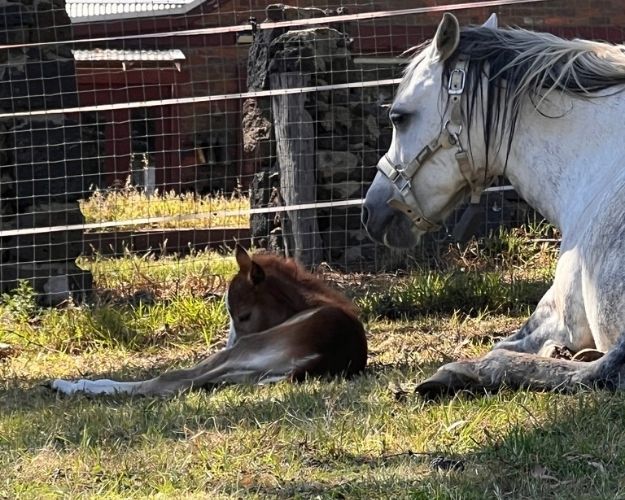
Additional Information on the
ACM30821 Certificate III in Horse Care
To be eligible to enrol in this course, you must:
Apply for free
Apply online. No cost. No obligation.
As part of your application you will complete a short Digital Literacy and LLN check so we can support you the way you need.
We review and confirm
Our team reviews your application and sends you an acceptance email with the enrolment form link.
Start when ready
Enrol, pay your deposit, and begin studying. Printed learner guides are sent after induction.
PAYMENT PLANS AVAILABLE:
You will be given 24 months access to our Learning Centre to complete your course. To avoid any course extension fees you do need to complete the course in this time frame.
PLEASE NOTE:
Prices current from 1st July 2025. All prices include resource fees, tuition costs, and administration fees. Additional fees may apply if you do not pass an assignment after two attempts, you need to re-enrol in a subject for any reason, or you need longer than 12 months to complete the course.
Course fees DO NOT include any payment of fees required by your horse riding coach or horse riding centre/school. These must be paid direct to the coach or centre.
Unfortunately at this time there is no government funding available for this course. We do encourage you to contact your local job seeker service or apprenticeship centre for further suggestions. School based students may have access to funding and should discuss this with their school.
You can, however, enrol with one of our instalment plans and spread the cost out.
For this qualification to be awarded, you must complete 18 units of competency. Nine of these are core units, and the remaining nine are electives. Two electives are set in our course structure and cannot be changed. The remaining electives are set tailored to your chosed stream.
The core units you will cover within your subjects are:
You will also cover the following elective units:
And you must choose ONE of the following streams.
STREAM 1: Horse Care & Exercise
STREAM 2: Stud Work & Foal Handling
STREAM 3: Riding Coach
To complete this course, you are required to complete practical assessments with calm and reliable horses, selected to meet unit requirements.
We have three different ways you can achieve this:
It is important to note that your course fees do not include any additional fees your horse riding coach or riding centre may require. Some are happy to provide learning opportunities at no additional cost (eg you already undertake lessons with them, or will do a work placement), others will require their standard lesson fees to be paid. Please ensure you discuss this with your coach or the riding centre prior to enrolment.
We start off new students on the first Monday of every month except December. Enrolments close on the 15th of the month prior.
The course is delivered by distance education using our online ‘Learning Centre’ with printed learner’s guides AND practical experience with your own horses and coach, at a riding school/centre, or at our breeding stud ‘Tarcombe Fjords’, in Little River Victoria.
This allows you the flexibility to study when it suits your schedule and your location. We’ve designed the course to fit around your work and lifestyle.
Once the course starts, you’ll receive printed learner’s guides, which will guide you through your studies and prepare you for assessments. You’ll also have access to the extra study resources available via our ‘Learning Centre’ online.
Each subject contains various assessment tasks:
This course is designed to be completed within 12 years (24 months). Typically, students should plan to dedicate at least 5-10 hours per week to their studies. This ensures sufficient time for completing required readings and assessment tasks. However, if you are able to progress more quickly, you have the option to finish the course sooner.
Please note, additional fees will be incurred if you wish to extend your study period beyond the initial 124 months.
If you wish to learn to ride whilst completing this course, we recommend enrolling with a riding school when you commence your studies, as you may need at least 12 months to learn to confidently walk, trot and canter to meet the riding units requirements.
Ready to learn more? After you’ve completed this course you can move on to:
Veterinary Nurse Solutions, trading as the Australian College of Animal Care (‘ACAC’), has a third party arrangement with Halo Nation Training Pty Ltd (‘HaloNT’) which is a Registered Training Organisation (RTO). In this arrangement, HaloNT is the ‘Principal RTO’, and ACAC are offering the qualification on their behalf.
At all times, the Principal RTO is responsible for the quality of the training and assessment you will receive in compliance with Standards for RTOs, and for the issuance of the Australian Qualifications Framework (AQF) certification documentation. These Standards set out the requirements that an organisation must meet in order to be an RTO and ensure the integrity and quality of nationally recognised training provided by registered training organisations.
Students are enrolled with HaloNT as the principal RTO.
All training is conducted by ACAC on behalf of HaloNT, the principal RTO. All learning and assessment materials are developed by ACAC and approved by HaloNT.
All trainers and assessors are employed by ACAC, but are approved by HaloNT.
In the first instance you can provide feedback and make a complaint directly to us, ACAC at [email protected]. You are also able to make a complaint or provide feedback directly to the Principal RTO, HaloNT directly at https://www.halont.edu.au/.
On successful completion of all course requirements students are provided with the appropriate qualifications and statements of attainment issued by the Principal RTO, Halo Nation Training Pty Ltd, RTO ID: 32485.
Students can contact either ACAC and we can assist you to organise this. You are also able to directly contact HaloNT to obtain a new copy of a certificate.