


What Does a Horse Groom Do?
A horse groom works closely with riders and trainers to ensure horses are well prepared for riding, training, and competition. The role focuses on maintaining the horse’s condition, presentation, and readiness for work.
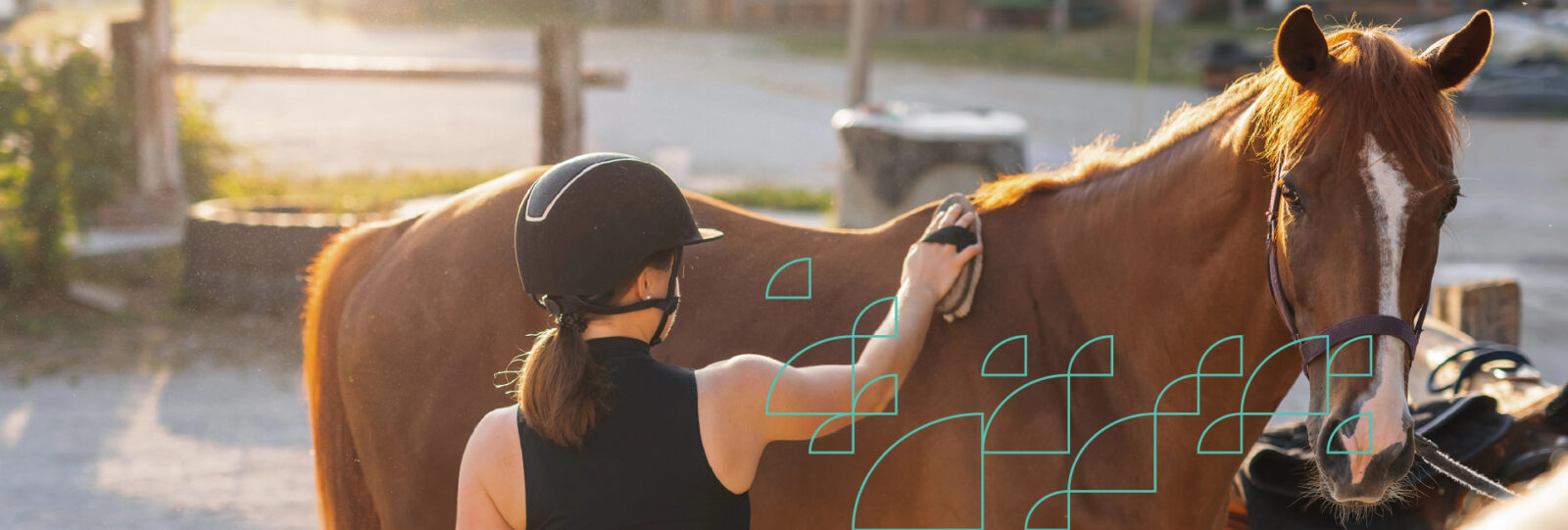
Horse grooms are often responsible for grooming horses, preparing tack, and assisting riders before and after training sessions or competitions. This can include tasks such as brushing and preparing the horse’s coat, cleaning hooves, checking equipment, and ensuring horses are comfortable and ready to perform.
Unlike some general stable roles, horse grooms frequently work in performance-focused environments such as training stables, competition yards, and professional riding facilities. In these settings, grooms play an important supporting role for riders and trainers by helping maintain the horses’ health, cleanliness, and overall condition.
For riders who are ambitious about improving their skills or gaining experience with high-level horses, working as a horse groom can provide valuable exposure to professional training environments and experienced riders.
How to Become a Horse Groom
If you are interested in working with horses, becoming a horse groom can be a rewarding way to gain practical experience in the horse industry.
Horse grooms need strong horse handling skills, an understanding of horse behaviour, and the ability to work closely with riders, trainers, and other stable staff.
Many people begin their careers as horse grooms by:
- gaining experience with horses
- studying horse care such as the ACM20221 Certificate II in Horse Care
- working in entry level roles in the horse industry
Because horse grooms often assist riders and trainers, having a good understanding of riding and horse preparation can also be a competitive advantage when applying for jobs.
Employers often prefer applicants who already understand the basics of horse care and safe horse handling. Completing a qualification such as the ACM20221 Certificate II in Horse Care can help demonstrate that you have developed these skills and are prepared for the responsibilities involved in working with horses.
Training in horse care can also help you develop essential skills such as safe horse handling, grooming and preparing horses for riding, feeding and managing horses, and recognising signs of illness or injury.
Horse Groom Duties and Responsibilities
The duties of a horse groom focus on maintaining the horse’s condition, presentation, and readiness for riding, training, or competition. While responsibilities vary depending on the type of stable, horse grooms are typically closely involved in preparing horses for work and assisting riders and trainers.
Common horse groom duties include:
- grooming horses and maintaining coat condition
- cleaning hooves and checking for injuries or abnormalities
- saddling and preparing horses for riding, training, or competition
- cooling down horses after exercise and assisting with post-work care
- feeding horses and monitoring water supplies
- observing horses for signs of illness, injury, or changes in behaviour
- cleaning and maintaining tack such as saddles, bridles, and grooming equipment
- assisting with stable organisation and general horse care tasks
- preparing horses and equipment for competitions or events
- packing and coordinating equipment when horses travel to training sessions or shows
Horse grooms often work closely with riders, trainers, and stable managers to ensure that horses are well prepared for their daily activities and remain healthy, comfortable, and ready to perform.
In training or competition environments, grooms may also assist riders by helping prepare horses before and after training sessions or competitions.
A Typical Day as a Horse Groom
A typical day for a horse groom often begins bringing in the horses to be ridden or exercised for the day.
Daily tasks may include grooming horses, preparing them for training or riding, assisting riders or trainers, cleaning equipment, and helping maintain stable areas.
Horse grooms working in training or competition environments may also assist with preparing horses before and after exercise.
Where Do Horse Grooms Work
Horse grooms may work in a variety of horse industry workplaces, particularly in environments where horses are regularly prepared for riding, training, or competition.
Common workplaces for horse grooms include:
-
racing stables, where horses are prepared for training and race days
-
equestrian training facilities, where riders and trainers work with horses in disciplines such as dressage, showjumping, or eventing
-
competition stables, which prepare horses for equestrian events and shows
-
riding schools, where horses are used for lessons and rider training
-
breeding farms and horse studs, where horses are raised and prepared for training or sale
-
agistment properties, where horses are cared for on behalf of their owners
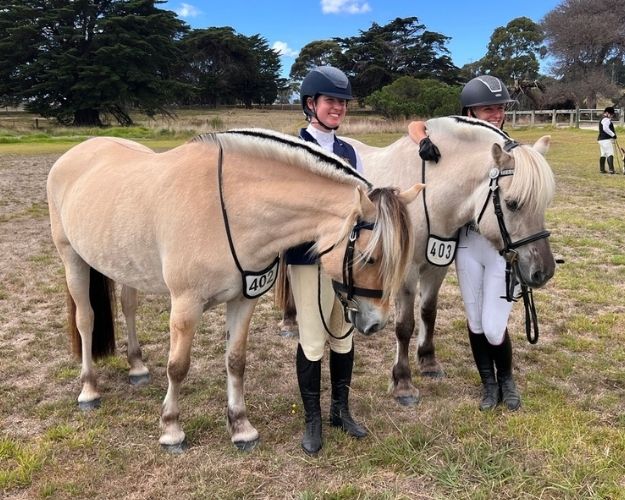
In training and competition environments, horse grooms may also travel with horses to events. At competitions they often assist riders and trainers by preparing horses before classes, caring for them after exercise, and ensuring that horses and equipment are ready throughout the event.
Skills Needed to Work as a Horse Groom
Working as a horse groom requires strong horse handling skills, attention to detail, and the ability to work closely with riders and trainers. Because grooms are often responsible for preparing horses for riding or competition, maintaining the horse’s condition and presentation is an important part of the role.
Important skills for horse grooms include:
-
safe horse handling and restraint techniques
-
understanding horse behaviour and how horses respond to their environment
-
grooming and horse presentation skills, including preparing horses for riding or competition
-
recognising signs of injury, illness, or discomfort in horses
-
good physical fitness, as the role involves lifting equipment and working around horses throughout the day
-
strong attention to detail, particularly when preparing horses and equipment
-
communication skills, which are important when working with riders, trainers, and other stable staff
Because horse grooms work closely with horses every day, confidence in horse handling, horse care, and horse behaviour is essential. Developing these skills helps ensure that horses are well prepared for work while maintaining high standards of horse welfare and safety.
Great grooms read the horse in front of them, not just the routine. See Your Horse is Always Learning and Treats Don’t Make Horses Pushy from our equitation science blog.
Start Your Career as a Horse Groom
If you are interested in working with horses in riding or competition environments, developing strong horse handling and grooming skills is an important first step.
The ACM20221 Certificate II in Horse Care introduces the practical skills used by people working in horse training stables, riding facilities, and equestrian environments. The course focuses on the foundations of handling, preparing, and caring for horses safely.
Students develop practical skills in areas such as:
- handling horses safely in a stable environment
- understanding normal horse behaviour and condition
- grooming horses and maintaining presentation
- preparing tack and equipment for riding
- maintaining clean and organised stable areas
Developing these skills can help build confidence when working with horses and may provide a competitive advantage when applying for horse industry roles such as horse groom, stable hand or stud hand.
For riders or people interested in gaining experience around well-trained horses, working as a horse groom can also provide valuable exposure to professional riding environments and experienced trainers. You can also browse all careers working with horses to see how the roles compare.
LEARN MORE ABOUT THE ACM20221 CERTIFICATe II IN HORSE CARE
Horse groom: your questions answered
What does a horse groom do?
A horse groom prepares and cares for horses in riding, training and competition settings, grooming, tacking up, cooling horses down after work, monitoring their health, and supporting riders and trainers.
How do I become a horse groom in Australia?
Gain hands-on experience with horses and complete a nationally recognised qualification like the Certificate II or Certificate III in Horse Care, then move into an entry-level groom role in a performance stable, riding school or racing yard.
Do I need a qualification to be a horse groom?
It is not legally required, but a nationally recognised qualification like the Certificate II or Certificate III in Horse Care makes you far more employable and shows you can handle and care for horses safely.
Do I need to be fit, and are there other requirements?
Yes. Horse work is physically demanding, lifting feed and equipment, being on your feet, and safely handling large animals, so a good level of fitness is important. Many groom roles, especially those that travel to shows and events, also expect a current driver’s licence.
How much does a horse groom earn in Australia?
Start with the award, because that sets your legal minimum. Grooming in a racing or thoroughbred stable generally falls under the Fair Work Horse and Greyhound Training Award 2020 (MA000008). From the first full pay period on or after 1 July 2026, a stable employee starting out is on $978.10 a week, or $25.74 an hour, which is about $50,900 a year for a 38 hour week before super, rising to $1,004.90 a week after three months with the same employer. Dressage, show jumping, eventing and riding school yards come under the Amusement, Events and Recreation Award 2020 (MA000080) instead, which covers recreational facilities and includes animal attendant work such as training and husbandry. The introductory rate there is also $978.10 a week, moving to $1,004.90 at Grade 1 after up to three months of training. Junior rates apply if you are under 21. Coverage turns on how the business is set up, so it is worth calling Fair Work to confirm which award covers your job, and rates rise each July.
What skills does a horse groom need?
Safe horse handling, an understanding of horse behaviour, grooming and presentation, recognising signs of illness or injury, good fitness, attention to detail, and clear communication.
Can I be a horse groom without being a strong rider?
Yes. Grooming is about care and preparation rather than riding, though understanding how horses move and respond is a real advantage.
Is working with horses dangerous, and how do I stay safe?
Horses are large, powerful animals, and the main risks are kicks, bites, strikes and falls. You stay safe by learning correct handling, wearing sturdy footwear and a helmet that meets AS/NZS 3838 where needed, following safe work practices, and working under supervision while you learn. Safe handling is a core part of our Certificate II and Certificate III in Horse Care, and Australian regulators such as Safe Work Australia and SafeWork NSW publish guidance on working safely with horses.