

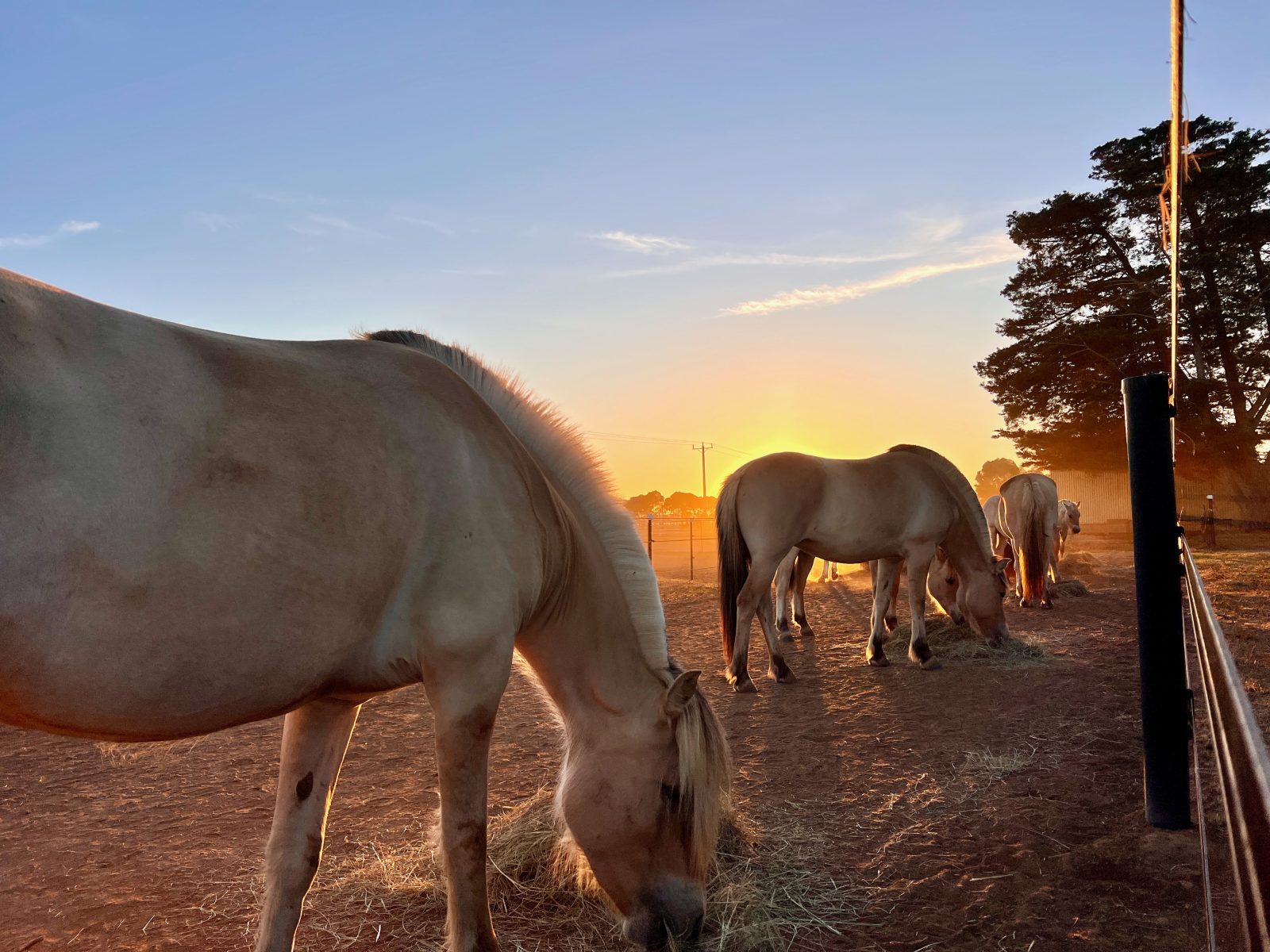

What Does a Stable Hand Do?
A stable hand works with horses and is responsible for many of the daily tasks involved in horse care and stable management. Stable hands are employed in a wide range of horse industry workplaces including riding schools, training stables, breeding farms and equestrian facilities.
For people interested in jobs working with horses, becoming a stable hand is one of the most common ways to start a career in the horse industry.
How to Become a Stable Hand
If you are interested in working with horses, you may be wondering how to become a stable hand. Stable hands need practical horse handling skills and an understanding of horse care and management.
Many stable hands begin by:
- gaining experience with horses
- studying horse care such as the ACM20221 Certificate II in Horse Care
- working in entry level roles in the horse industry
While many people apply for horse jobs simply because they enjoy being around horses, employers are often looking for applicants who already understand the basics of horse care and safe handling.
Completing a qualification such as the ACM20221 Certificate II in Horse Care can help you stand out when applying for stable hand positions. It shows potential employers that you have taken the time to develop your knowledge and that you understand the responsibilities involved in working with horses.
Training in horse care can also help develop essential skills such as safe horse handling, feeding and grooming horses, and recognising signs of illness or injury.
Stable Hand Duties and Responsibilities
Stable hands assist with the day-to-day care and management of horses and their environment. The duties of a stable hand can vary depending on the type of facility, but commonly include tasks related to horse care, stable maintenance, and preparing horses for handling or work.
Typical stable hand duties include:
- feeding horses and monitoring water supplies
- cleaning stables and yards
- grooming horses
- handling and leading horses
- assisting with saddling and preparing horses for riding or training
- cleaning and maintaining tack and equipment
- checking horses for signs of illness or injury
- maintaining paddocks, fencing, and stable areas
These tasks help ensure that horses remain healthy and that facilities operate safely and efficiently.
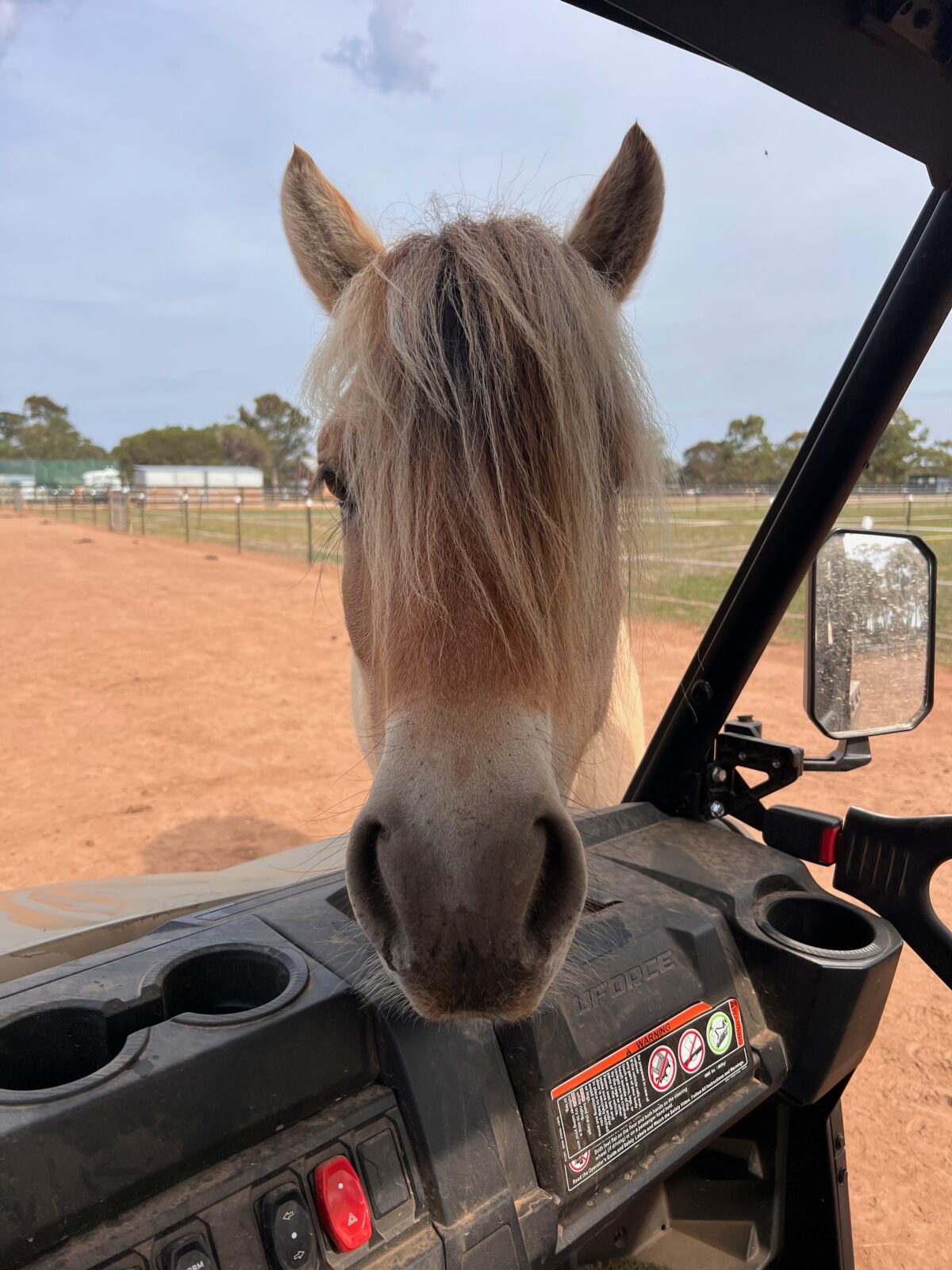
A Typical Day as a Stable Hand
A typical day for a stable hand often begins early in the morning with feeding horses and cleaning stables, followed by grooming, preparing horses for riding or training, and completing general property maintenance tasks.
Experience Stable Work Firsthand
If you want to experience what a typical day working with horses is really like, practical experience can be incredibly valuable.
Our Equine Care Internship at Tarcombe Fjords provides the opportunity to spend time working with horses in a real horse care environment. You’ll assist with daily horse care tasks such as feeding, grooming, handling horses, and maintaining paddocks and facilities.
Even better, completing the internship contributes credits toward the ACM20221 Certificate II in Horse Care, helping you build both practical experience and recognised training as you begin your career working with horses.
Where Do Stable Hands Work
Stable hands may work in a variety of horse industry workplaces, depending on the type of horses and activities involved. These jobs are commonly found in horse facilities where daily care, handling, and management of horses are required.
Stable hands may work in settings such as:
- horse studs and breeding farms, where horses are bred and young horses are raised
- racing stables, where horses are trained and prepared for racing
- equestrian training facilities, which focus on training horses and riders for competition
- riding schools, where horses are used for lessons and recreational riding
- agistment properties, where horses are cared for on behalf of their owners
- equine rehabilitation or welfare facilities, which support horses recovering from injury or needing specialised care
Each environment can involve slightly different routines and responsibilities, but all stable hand roles require a good understanding of horse behaviour, horse care, and safe handling practices. If you are drawn to one setting in particular, it is worth reading about working as a horse groom in performance stables or a stud hand on a breeding farm.
Skills Needed to Work as a Stable Hand
Working safely and effectively with horses requires a combination of practical horse handling skills, knowledge of horse care, and the ability to work reliably in a busy stable environment. Stable hands are responsible for many daily horse care tasks, so employers look for people who are confident around horses and able to work as part of a team.
Important skills for stable hands include:
- safe horse handling and restraint techniques
- understanding horse behaviour and how horses respond to people and their environment
- grooming and basic horse care
- feeding horses and managing basic nutrition routines
- recognising signs of illness, injury, or abnormal behaviour in horses
- maintaining clean and safe stable environments
- good physical fitness, as stable work often involves lifting feed, carrying equipment, and working outdoors
- clear communication skills, which are important when working with other staff, trainers, and horse owners
Because horses are large and powerful animals, learning correct handling techniques is essential for both horse welfare and human safety.
Understanding how horses think makes daily handling safer and calmer. See Your Horse is Always Learning and Your Horse Walks the Whole Way There from our equitation science blog.
Start Your Career Working With Horses
If you are interested in working with horses and developing practical horse care skills, studying horse care can be an excellent first step toward a career in the horse industry.
The ACM20221 Certificate II in Horse Care provides a practical introduction to horse handling, care, and stable management. The course helps students develop the foundational knowledge and skills commonly required for entry-level roles such as stable hand.
Students learn essential areas of equine management, including:
- handling and caring for horses safely
- recognising normal horse behaviour and health
- feeding and watering horses
- grooming and routine horse care
- maintaining safe and hygienic stable and paddock environments
Developing these skills can help build confidence when working with horses and may help you stand out to employers when applying for jobs working with horses.
The course is designed to support people who want to begin a career working with horses or build their confidence in horse handling and horse care. Ready to go further? The ACM30821 Certificate III in Horse Care builds toward skilled and specialist roles. You can also browse all careers working with horses to see how the roles compare.
LEARN MORE ABOUT THE ACM20221 CERTIFICATe II IN HORSE CARE
Stable hand: your questions answered
What does a stable hand do?
A stable hand handles the daily care and management of horses, feeding, grooming, cleaning stables and yards, handling and leading horses, and keeping the facility safe and running.
How do I become a stable hand?
Build hands-on horse experience (a structured placement like the Equine Care Internship is a great start) and complete a Certificate II or Certificate III in Horse Care, then apply for entry-level stable hand roles.
Do I need experience or a qualification to be a stable hand?
Some experience helps, but many people start with little. A nationally recognised qualification like the Certificate II or Certificate III in Horse Care is not legally required but builds the safe-handling and care skills employers look for.
Do I need to be fit, and are there other requirements?
Yes. Stable work is physically demanding, lifting feed, mucking out, and being on your feet around large animals, so a reasonable level of fitness is important. A current driver’s licence is often expected, particularly for rural properties.
How much do stable hands earn in Australia?
Start with the award, because that sets your legal minimum. Racing stables and thoroughbred studs generally fall under the Fair Work Horse and Greyhound Training Award 2020 (MA000008). From the first full pay period on or after 1 July 2026, a stable employee starting out is on $978.10 a week, or $25.74 an hour, which is about $50,900 a year for a 38 hour week before super. After three months with the same employer you move to Stablehand Grade 1 at $1,004.90 a week, and with two years in the industry and higher duties, Grade 2 at $1,029.10. Junior rates apply if you are under 21, starting at 55 per cent of the adult rate at 15. Properties running horses as livestock may sit under the Pastoral Award 2020 (MA000035) instead, while riding schools and competition yards come under the Amusement, Events and Recreation Award 2020 (MA000080), which covers recreational facilities and includes animal attendant work such as training and husbandry. Coverage turns on how the business is set up, so it is worth calling Fair Work to confirm which award applies to you. Rates rise each July, and if board and lodging are provided your employer can deduct a reasonable agreed amount.
What skills does a stable hand need?
Safe horse handling, understanding horse behaviour, grooming and basic care, feeding, spotting illness or injury, keeping stables clean and safe, good fitness, and clear communication.
Where do stable hands work?
Riding schools, racing and performance stables, breeding studs, agistment properties, and equine rehabilitation or welfare facilities.
Is working with horses dangerous, and how do I stay safe?
Horses are large, powerful animals, and the main risks are kicks, bites, strikes and falls. You stay safe by learning correct handling, wearing sturdy footwear and a helmet that meets AS/NZS 3838 where needed, following safe work practices, and working under supervision while you learn. Safe handling is a core part of our Certificate II and Certificate III in Horse Care, and Australian regulators such as Safe Work Australia and SafeWork NSW publish guidance on working safely with horses.