

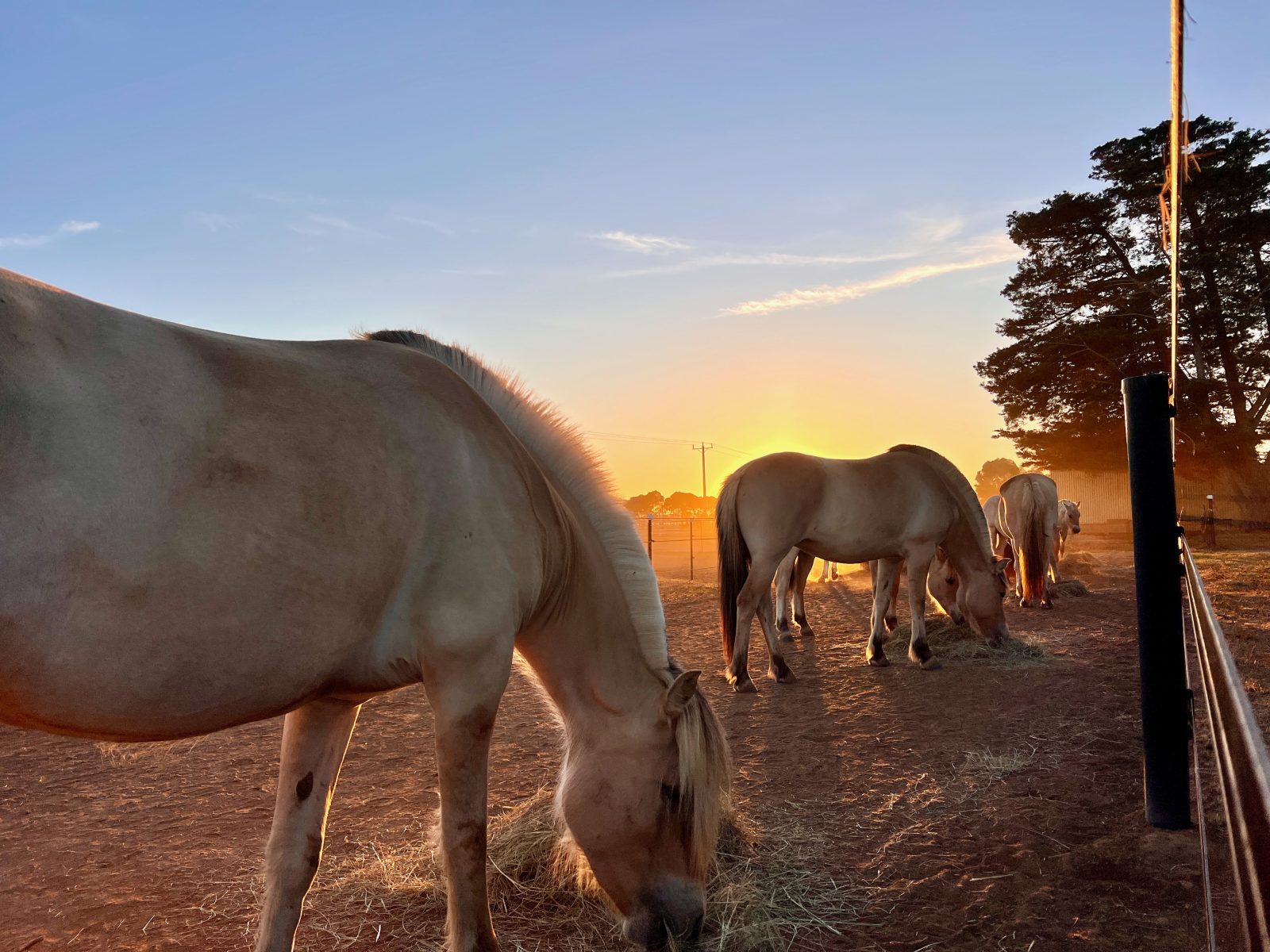

What Does a Stud Hand Do?
A stud hand works on a horse breeding farm and assists with the daily care and management of horses involved in breeding programs. Depending on the type of stud, this may include caring for broodmares, foals, weanlings, yearlings, stallions, and spelling horses.
Stud workers are involved in practical horse care tasks as well as the day-to-day running of the property. The role can include feeding horses, checking water, monitoring horse health, handling mares and young horses, maintaining paddocks and fencing, and assisting with breeding and foaling activities.
Because horse studs often care for young horses and breeding stock, stud hands need a good understanding of horse behaviour, safe handling, and horse health. This is particularly important when working with mares and foals, stallions, or young horses that are still learning how to respond to people.
For people interested in working with horses in breeding and young horse environments, becoming a stud hand can be a rewarding career path and a valuable way to build practical experience in horse care and management.
How to Become a Stud Hand
If you are interested in working on a horse breeding farm, you may be wondering how to become a stud hand. Stud workers need practical horse handling skills, confidence around a range of horses, and a good understanding of horse care, behaviour, and management.
Many people begin preparing for stud work by:
-
building hands-on experience with horses
-
developing confidence in handling and observing horse behaviour
-
studying horse care, such as completing the ACM30821 Certificate III in Horse Care with the stud work and foal handling electives
-
gaining experience in horse industry roles that involve daily horse care and handling
Stud work often involves greater responsibility than general horse care roles, particularly when working with broodmares, foals, weanlings, yearlings, and stallions. Employers are often looking for people who can work calmly, safely, and confidently in breeding and young horse environments. Many stud hands start out as a stable hand or horse groom and move across once they are confident around youngstock.
Completing a qualification such as the ACM30821 Certificate III in Horse Care can help demonstrate that you have developed the practical skills and underpinning knowledge needed for this type of work. It shows employers that you understand horse behaviour, daily horse management, and the importance of safe handling in more specialised horse industry settings.
Stud Hand Duties and Responsibilities
The duties of a stud hand focus on caring for horses on breeding farms and supporting the daily operation of the property. Responsibilities vary depending on the type and size of the stud, but commonly include:
- feeding horses and monitoring water supplies
- checking horses for signs of illness, injury, or abnormal behaviour
- handling broodmares, foals, weanlings, and young horses
- assisting with routine horse care and grooming
- cleaning yards, shelters, and horse handling areas
- maintaining paddocks, fencing, and general property infrastructure
- assisting with foaling down mares
- supporting breeding, foaling, and young horse management tasks where appropriate
- cleaning and maintaining equipment used in daily horse care
Stud hands often need to be observant, calm, and confident around horses, particularly when working with breeding stock or inexperienced young horses.
A Typical Day as a Stud Hand
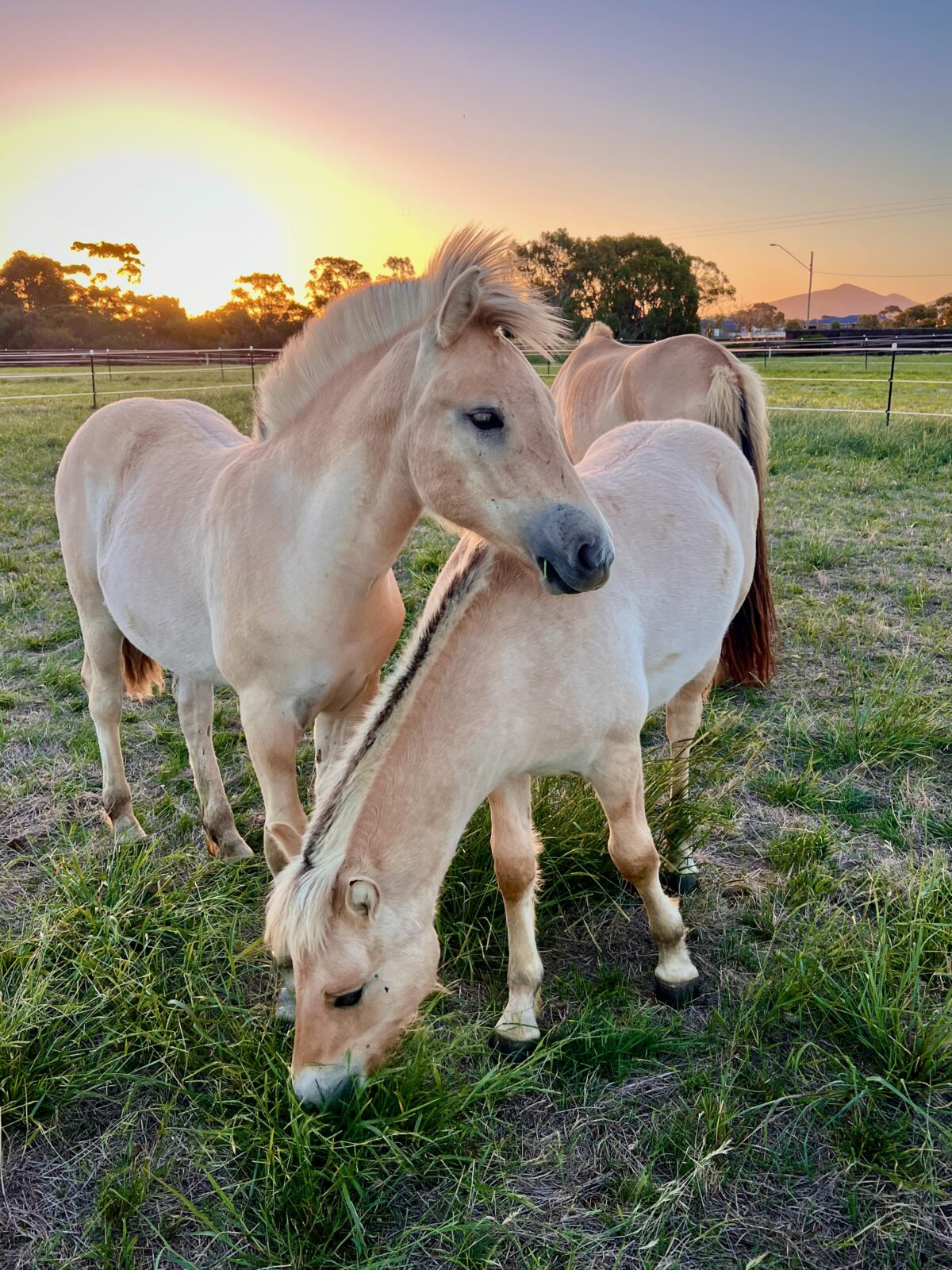
A typical day for a stud hand often begins early with feeding horses, checking water supplies, and monitoring the condition of mares, foals, and other horses on the property.
Depending on the season, the day may involve moving horses between paddocks, checking fencing, assisting with routine care, monitoring breeding stock, or helping manage foals and young horses. During breeding and foaling seasons, the work may also involve closer monitoring of mares and newborn foals.
Experience Stud Work Firsthand
Our Equine Care Internship at Tarcombe Fjords provides the opportunity to spend time working with horses on a real horse stud. You’ll assist with daily horse care tasks such as feeding, grooming, handling horses, and maintaining paddocks and facilities. Pick a slot in late spring and you’re likely to see new born foals.
Even better, completing the internship contributes credits toward the ACM30821 Certificate III in Horse Care, helping you build both practical experience and recognised training.
Where Do Stud Hands Work
Stud hands usually work on horse studs and breeding farms, where horses are bred, raised, and managed for future racing, competition, or general equestrian purposes.
Stud work may be found in settings such as:
- Thoroughbred breeding farms
- Standardbred studs
- sport horse breeding properties
- pony and performance horse studs
- farms that raise and prepare young horses for sale or training
Some studs focus mainly on breeding and foaling, while others also manage young horses through weaning, early handling, and preparation for later training. This means the exact duties of a stud hand can vary depending on the type of breeding operation.
Skills Needed to Work as a Stud Hand
Working as a stud hand requires practical horse handling skills, good judgement, and the ability to work safely around breeding stock and young horses.
Important skills include:
- safe horse handling and restraint techniques
- understanding horse behaviour, especially in mares, foals, stallions, and young horses
- confidence working around horses of different ages and temperaments
- recognising signs of illness, injury, or distress
- good observation skills and attention to detail
- physical fitness and the ability to work outdoors in varying conditions
- communication skills when working with other staff and supervisors
- an understanding of paddock, fencing, and general property safety
Because stud workers often deal with young horses and breeding animals, a strong ability to read horse behaviour and respond calmly is essential.
Working with young and breeding horses is all about reading behaviour. See You Don’t Need to Be the Leader and When Things Start to Slip from our equitation science blog.
Start Your Career Working on Horse Studs
If you are interested in working with horses in breeding and young horse environments, developing strong horse handling and management skills is an important first step.
The ACM30821 Certificate III in Horse Care supports students to build broader and more developed skills in horse care, behaviour, handling, and management. This makes it a strong fit for people interested in roles such as stud worker, where horses may include broodmares, foals, and young stock.
Students develop practical knowledge in areas such as:
- handling horses safely in a range of situations
- understanding horse behaviour and responses
- monitoring horse health and condition
- feeding and caring for horses appropriately
- assisting with foaling down mares
- handling and basic training of young stock
- maintaining horse facilities and safe working environments
If you are new to horses, the ACM20221 Certificate II in Horse Care is the ideal foundation before stepping up to the Certificate III for stud work.
Both qualifications are designed to support people who want to begin a career working with horses and build their confidence in horse handling and horse care. You can also browse all careers working with horses to see how the roles compare.
LEARN MORE ABOUT THE ACM30821 CERTIFICATE III IN HORSE CARE
Stud hand: your questions answered
What does a stud hand do?
A stud hand works on a breeding farm caring for broodmares, foals, weanlings, yearlings and stallions, feeding, monitoring health, handling young horses, and assisting with foaling and breeding.
How do I become a stud hand?
Build experience with horses and complete the Certificate III in Horse Care with the stud work and foal handling electives, building on the foundations of the Certificate II, then move into a stud role.
What qualification do I need for stud work?
The ACM30821 Certificate III in Horse Care, with its Stud Work and Foal Handling stream, is the qualification that prepares you, building on the Certificate II in Horse Care.
Are there age, fitness or licence requirements for stud work?
Stud work is physically demanding, so a good level of fitness is important, and a driver’s licence is commonly expected on rural studs. There is no single legal minimum age, but because the work involves stallions, foaling mares and young horses, many studs require workers to be 18 or over.
How much does a stud hand earn in Australia?
Start with the award, because that sets your legal minimum. Thoroughbred studs generally fall under the Fair Work Horse and Greyhound Training Award 2020 (MA000008), where a stable employee starting out is on $978.10 a week, or $25.74 an hour, from the first full pay period on or after 1 July 2026. That is about $50,900 a year for a 38 hour week before super, rising to $1,004.90 a week after three months with the same employer. Studs breeding other types, and larger properties running horses as livestock, may instead sit under the Pastoral Award 2020 (MA000035), where a station hand with less than six months in the industry starts at $978.10 a week, moving to $1,004.90 between six and twelve months and $1,006.80 after twelve months. Live-in roles are common on studs, and the Pastoral Award lets an employer deduct $165.86 a week where keep is provided, while the Horse and Greyhound Training Award allows a reasonable amount to be mutually agreed. Junior rates apply if you are under 21. It is worth calling Fair Work to confirm which award covers your job, and rates rise each July.
What skills does a stud hand need?
Safe handling of mares, foals, stallions and young horses, an ability to read behaviour, recognising illness or distress, strong observation, good fitness, and an eye for paddock and property safety.
Do stud hands work with foals?
Yes. Stud hands handle foals and young stock and often assist with foaling down mares during the breeding season.
Is stud work dangerous, and how do I stay safe?
Horses are large, powerful animals, and stud work carries extra risk around stallions, foaling mares and young horses. The main hazards are kicks, bites, strikes and falls. You stay safe by learning correct handling, wearing sturdy footwear and a helmet where needed, following safe work practices, and working under supervision while you learn. Safe handling and young-horse handling are core parts of our Certificate II and Certificate III in Horse Care, and Australian regulators such as Safe Work Australia and SafeWork NSW publish guidance on working safely with horses.